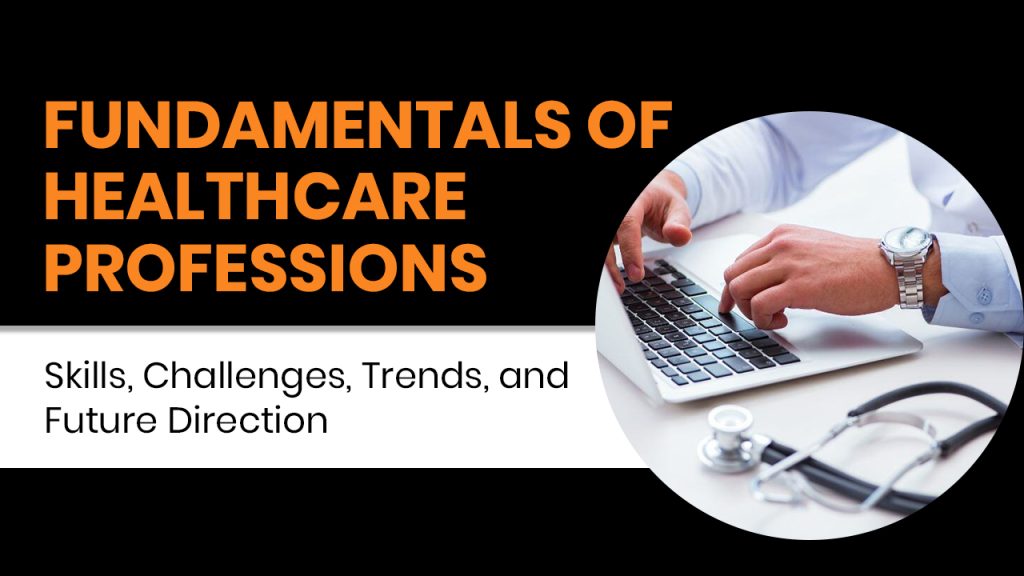
Healthcare is one of the most essential pillars of society. Every individual, family, and community depends on healthcare systems for prevention, diagnosis, treatment, rehabilitation, and long-term well-being. Behind every hospital, clinic, laboratory, pharmacy, rehabilitation center, public health program, and emergency service are healthcare professionals who work with knowledge, compassion, discipline, and responsibility.
The healthcare profession is not limited to doctors and nurses only. It includes a wide range of professionals such as pharmacists, physiotherapists, laboratory technologists, radiographers, public health experts, counselors, social workers, caregivers, health administrators, and many other specialized roles. Although their responsibilities may differ, their ultimate purpose is common: to protect health, improve quality of life, reduce suffering, and support people during their most vulnerable moments.
Understanding the fundamentals of healthcare professions is important for students, medical professionals, healthcare managers, policymakers, and the general public. These fundamentals include clinical knowledge, communication, ethics, critical thinking, teamwork, lifelong learning, leadership, advocacy, and adaptability. In today’s rapidly changing healthcare environment, professionals must not only be technically skilled but also emotionally intelligent, ethically strong, digitally aware, and patient-centered.
Modern healthcare is evolving due to new technologies, rising patient expectations, global health challenges, chronic diseases, artificial intelligence, telemedicine, personalized medicine, and interdisciplinary care. At the same time, healthcare workers face serious challenges such as burnout, resource limitations, ethical dilemmas, legal responsibilities, workforce pressure, and unequal access to care. Therefore, healthcare professionals must develop a balanced approach that combines scientific knowledge with humanity, innovation with ethics, and treatment with trust.
This blog explores the core competencies, challenges, emerging trends, and current relevance of healthcare professions in a detailed and practical way.
What Are Healthcare Professions?
Healthcare professions refer to occupations that focus on maintaining, improving, restoring, or supporting human health. These professions work across different levels of care, including preventive care, primary care, emergency care, surgical care, diagnostic services, rehabilitation, mental health, community health, and palliative care.
A healthcare professional may work directly with patients, such as a doctor diagnosing illness, a nurse providing bedside care, or a physiotherapist helping a patient regain mobility. Others may work behind the scenes, such as laboratory professionals analyzing samples, pharmacists ensuring safe medication use, or public health workers designing awareness campaigns to prevent disease.
Healthcare professions are unique because they deal directly with human life, dignity, suffering, and recovery. This makes the profession both highly respected and highly demanding. A small mistake in healthcare can have serious consequences, while a thoughtful decision can save a life. That is why healthcare professionals are expected to maintain high standards of knowledge, ethics, professionalism, communication, and accountability.
The foundation of healthcare is not only treatment. It also involves prevention, education, emotional support, coordination, research, leadership, and advocacy. A good healthcare professional does not simply ask, “What disease does this patient have?” Instead, they ask, “What does this patient need to heal, live better, and feel supported?”
Importance of Healthcare Professionals in Society
Healthcare professionals play a central role in society’s well-being. They are trusted during emergencies, consulted during uncertainty, and respected for their ability to reduce pain and save lives. Their work influences not only individual health but also family stability, workplace productivity, public health, and national development.
A healthy population contributes to economic growth, education, social participation, and overall quality of life. When healthcare systems are strong, people can receive timely diagnosis, proper treatment, preventive education, and long-term support. When healthcare systems are weak, communities face higher disease burden, increased mortality, financial stress, and reduced trust in institutions.
Healthcare professionals also act as educators. They help people understand diseases, medication use, lifestyle changes, vaccination, nutrition, hygiene, mental health, and preventive screening. In many communities, especially rural or underserved areas, healthcare workers become the first and most trusted source of health information.
Their role becomes even more important during public health crises such as pandemics, natural disasters, outbreaks, accidents, and mass emergencies. During such moments, healthcare professionals work under pressure, often risking their own comfort and safety to protect others.
Core Competencies of Healthcare Professionals
To deliver safe, effective, and compassionate care, healthcare professionals need a combination of technical and human centered competencies. These competencies help them perform their roles responsibly and respond to the complex needs of patients and communities.
1. Clinical Knowledge and Skills
Clinical knowledge and skills are the foundation of healthcare practice. Every healthcare professional must understand the human body, disease processes, diagnostic methods, treatment approaches, and care protocols relevant to their field.
For doctors, this may include diagnosing conditions, planning treatment, performing procedures, and making clinical decisions. For nurses, it includes patient monitoring, medication administration, wound care, emotional support, and coordination with the medical team. For pharmacists, it includes understanding drug actions, interactions, side effects, dosage, and patient counseling. For physiotherapists, it includes movement science, rehabilitation planning, pain management, and functional recovery.
Clinical knowledge must be accurate, updated, and evidence based. Healthcare decisions should not depend on guesswork, outdated habits, or personal assumptions. They should be guided by scientific evidence, patient assessment, professional guidelines, and ethical judgment.
However, clinical expertise is not just about knowing facts. It is also about applying knowledge correctly in real situations. A patient may present with unclear symptoms, multiple diseases, emotional distress, financial limitations, or cultural concerns. In such cases, healthcare professionals must use their knowledge with flexibility and sensitivity.
Strong clinical skills improve patient safety, reduce complications, support early diagnosis, and increase treatment success. They also build patient confidence because patients naturally trust professionals who demonstrate competence, clarity, and confidence.
2. Communication and Interpersonal Skills
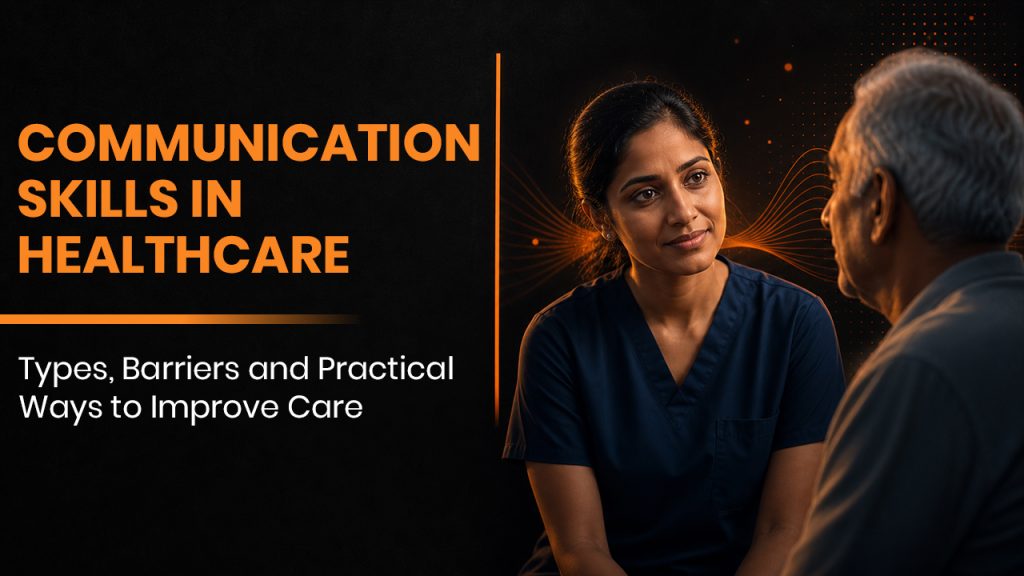
Communication is one of the most powerful tools in healthcare. A healthcare professional may have excellent technical knowledge, but without proper communication, patients may feel confused, ignored, or afraid. Good communication helps build trust, reduce anxiety, improve treatment adherence, and strengthen patient satisfaction.
Healthcare communication includes listening carefully, asking the right questions, explaining complex information in simple language, showing empathy, respecting cultural differences, and confirming patient understanding. Patients often come to healthcare settings with fear, pain, uncertainty, and emotional vulnerability. A kind tone, respectful body language, and patient-centered explanation can make a major difference.
Interpersonal skills are equally important when working with families and colleagues. Healthcare often involves sensitive conversations, including diagnosis, treatment risks, surgery, chronic illness, disability, lifestyle changes, or end-of-life care. In such situations, professionals must communicate with honesty, compassion, and emotional maturity.
Good communication also prevents errors. Many healthcare mistakes happen because of poor handover, unclear instructions, incomplete documentation, or misunderstanding among team members. Clear communication between doctors, nurses, pharmacists, laboratory staff, and administrators helps ensure safe and coordinated care.
In modern healthcare, communication also extends to digital platforms. Telemedicine, online reports, electronic health records, patient portals, and digital consultation require professionals to communicate effectively through technology while maintaining privacy and professionalism.
3. Ethics and Professionalism
Ethics is at the heart of healthcare. Because healthcare professionals deal with human life, personal information, pain, vulnerability, and trust, they must follow strong ethical principles. The major principles of healthcare ethics include autonomy, beneficence, non-maleficence, and justice.
Autonomy means respecting the patient’s right to make informed decisions about their own health. Patients should receive clear information about their condition, treatment options, risks, benefits, and alternatives. They should not be forced into decisions without understanding.
Beneficence means acting in the best interest of the patient. Healthcare professionals should aim to provide care that benefits the patient physically, emotionally, and socially.
Non-maleficence means avoiding harm. This principle reminds professionals to minimize risks, prevent negligence, follow safety protocols, and avoid unnecessary procedures or treatments.
Justice means fairness in healthcare. Every patient deserves respectful and appropriate care regardless of gender, age, economic status, ethnicity, religion, disability, or background.
Professionalism includes punctuality, responsibility, confidentiality, honesty, respect, proper documentation, accountability, and adherence to standards of practice. Maintaining patient confidentiality is especially important because patients share private details about their bodies, families, habits, emotions, and medical history.
Ethics and professionalism are not only theoretical subjects. They are daily practices. They appear in how a doctor explains a diagnosis, how a nurse protects patient dignity, how a pharmacist counsels a patient, how a hospital handles medical records, and how a team responds to mistakes.
4. Critical Thinking and Problem-Solving
Healthcare is full of complex and uncertain situations. Patients do not always present textbook symptoms. Some may have multiple conditions, unclear test results, medication reactions, emotional distress, or social barriers. This is why critical thinking and problem-solving are essential skills for healthcare professionals.
Critical thinking means analyzing information carefully before making decisions. It involves observing symptoms, reviewing medical history, interpreting investigation results, considering risks and benefits, questioning assumptions, and choosing the safest possible action.
Problem-solving in healthcare often requires quick but careful decisions. For example, an emergency patient may need immediate attention, while a chronic disease patient may need long-term planning. A healthcare professional must understand what is urgent, what is important, and what can be monitored.
Critical thinking also helps professionals avoid bias. Sometimes, assumptions based on age, gender, appearance, economic status, or previous experience can affect judgment. A reflective healthcare professional stays alert and evaluates each patient individually.
In modern healthcare, professionals must also think critically about technology. Artificial intelligence, electronic reports, diagnostic tools, and clinical algorithms can support decisions, but they should not replace professional judgment. Technology provides information, but humans must interpret it ethically and contextually.
5. Teamwork and Collaboration
Modern healthcare cannot be delivered effectively by one person alone. It requires teamwork among different professionals. A single patient may need consultation from doctors, nurses, pharmacists, laboratory staff, radiologists, physiotherapists, dietitians, counselors, social workers, and administrative teams.
Teamwork improves patient safety, reduces duplication, strengthens decision-making, and creates a more complete care experience. When professionals from different disciplines work together, they can understand the patient from multiple perspectives.
For example, a diabetic patient may need a physician for medical management, a dietitian for nutrition counseling, a nurse for monitoring, a pharmacist for medication guidance, and a physiotherapist for physical activity planning. If these professionals work separately without communication, the patient may receive fragmented care. If they collaborate, the patient receives coordinated and holistic care.
Teamwork also supports healthcare workers themselves. Healthcare can be emotionally and physically demanding. A supportive team can reduce stress, prevent burnout, encourage learning, and improve workplace morale.
Good collaboration requires respect. Every member of the healthcare team has value. Hierarchy should not prevent communication. A nurse’s observation, a pharmacist’s warning, a laboratory result, or a caregiver’s feedback may significantly influence patient care.
6. Lifelong Learning
Healthcare is constantly changing. New diseases emerge, treatment guidelines change, medical technologies improve, medicines evolve, and patient expectations increase. Therefore, healthcare professionals must remain committed to lifelong learning.
Lifelong learning may happen through formal education, clinical training, seminars, workshops, conferences, research, online courses, peer discussion, journal reading, and on-the-job experience. It helps professionals stay updated, maintain competence, and deliver quality care.
A professional who stops learning may continue using outdated practices. This can affect patient safety and treatment effectiveness. On the other hand, a professional who keeps learning becomes more confident, adaptable, and valuable to the healthcare system.
Lifelong learning is not only about medical knowledge. It also includes communication skills, leadership, digital literacy, emotional intelligence, cultural sensitivity, ethics, patient education, and quality improvement.
In the current healthcare environment, learning how to use digital tools is becoming increasingly important. Electronic medical records, teleconsultation platforms, diagnostic software, AI-supported systems, and online patient communication are becoming part of routine care. Healthcare professionals must adapt to these changes without losing the human touch.
7. Leadership and Advocacy
Many healthcare professionals eventually take leadership roles within hospitals, clinics, public health programs, academic institutions, or communities. Leadership in healthcare is not only about position or title. It is about taking responsibility, guiding teams, improving systems, solving problems, and influencing positive change.
A healthcare leader must manage resources, support staff, improve patient care processes, encourage ethical practice, and promote quality improvement. Leadership also involves decision-making during pressure, such as emergencies, outbreaks, staff shortages, or patient safety incidents.
Advocacy is another important responsibility. Healthcare professionals often see the real problems patients face, such as poverty, lack of awareness, poor access to services, stigma, discrimination, transportation barriers, and high treatment costs. Because of this, they are in a strong position to advocate for better policies, improved public health, patient rights, and equitable access to care.
Advocacy may happen at different levels. A doctor may educate a patient about preventive screening. A nurse may speak up for patient comfort. A pharmacist may promote rational medicine use. A public health worker may campaign for vaccination. A hospital leader may design systems that support underserved patients.
Leadership and advocacy help healthcare professionals move beyond individual treatment and contribute to stronger healthcare systems.
Challenges Facing Healthcare Professions
Although healthcare professions are meaningful and respected, they are also filled with challenges. These challenges affect professionals, patients, institutions, and the overall quality of care.
Burnout and Work Pressure
Burnout is one of the major challenges in healthcare. Long working hours, high patient load, emotional stress, emergency duties, night shifts, administrative burden, and continuous responsibility can lead to physical and mental exhaustion.
Healthcare professionals often deal with pain, death, suffering, family pressure, difficult decisions, and urgent situations. Over time, this emotional load can affect motivation, empathy, sleep, health, and job satisfaction.
Burnout does not only affect professionals. It can also affect patient care. A tired and emotionally exhausted worker may be more likely to make mistakes, communicate poorly, or feel disconnected. Therefore, healthcare institutions must take staff well-being seriously.
Supportive leadership, proper staffing, rest periods, counseling support, teamwork, fair workload, recognition, and healthy workplace culture are important for reducing burnout.
Resource Limitations
Many healthcare settings face resource limitations. These may include shortages of staff, equipment, medicines, beds, diagnostic tools, infrastructure, technology, or funding. Resource limitations are especially common in rural areas, low-income communities, and developing healthcare systems.
When resources are limited, healthcare professionals must make difficult decisions. They may need to prioritize urgent cases, refer patients elsewhere, improvise within safe limits, or work under pressure. This can create stress and ethical tension.
Resource limitations also affect patient trust. When patients cannot receive timely care due to cost, distance, or lack of facilities, they may feel neglected or frustrated. Addressing resource gaps requires policy planning, investment, public-private collaboration, community health programs, and efficient management.
Ethical and Legal Dilemmas
Healthcare professionals frequently face ethical and legal dilemmas. These may involve patient autonomy, informed consent, confidentiality, medical errors, end-of-life decisions, family disagreement, treatment refusal, financial limitations, and fair access to care.
For example, a patient may refuse a treatment that the doctor believes is necessary. A family may demand information that the patient wants to keep private. A hospital may have limited resources and multiple patients in need. Such situations require careful ethical reasoning, communication, documentation, and respect for law and professional standards.
Patient-centered care sometimes creates tension between clinical expertise and patient preferences. Healthcare professionals must balance what is medically appropriate with what the patient values, understands, and chooses.
Global Health Disparities
Healthcare access is not equal everywhere. Some people receive advanced care quickly, while others struggle to access basic services. Global health disparities exist between countries, regions, cities, rural communities, economic groups, and social populations.
Vulnerable populations often face barriers such as poverty, distance, lack of education, stigma, gender inequality, disability, language differences, and limited health infrastructure. Healthcare professionals must recognize these barriers and work toward inclusive care.
Addressing disparities requires more than treatment. It requires health education, community outreach, policy change, affordable services, preventive programs, and strong public health systems.
Emerging Trends and Future Direction in Healthcare
Healthcare is entering a new era. Technology, research, patient expectations, and global health needs are changing the way care is delivered. Healthcare professionals must understand these trends and prepare for the future.
Artificial Intelligence and Machine Learning
Artificial intelligence and machine learning are becoming increasingly important in healthcare. AI can support imaging analysis, predictive analytics, patient monitoring, diagnosis assistance, workflow management, and treatment planning.
For example, AI tools can help detect patterns in medical images, identify high-risk patients, support clinical decisions, and improve administrative efficiency. However, AI should be seen as a support tool, not a replacement for healthcare professionals.
Human judgment, empathy, ethics, and contextual understanding remain essential. Healthcare professionals must learn how to use AI responsibly while protecting patient privacy and avoiding overdependence on technology.
Telemedicine and Digital Health
Telemedicine gained strong attention during the COVID-19 pandemic and continues to be an important part of healthcare delivery. It allows patients to consult healthcare professionals remotely through video calls, phone calls, apps, or digital platforms.
Telemedicine is especially useful for rural communities, elderly patients, follow-up consultations, chronic disease monitoring, mental health support, and patients who have difficulty traveling. It can save time, reduce cost, and improve access.
However, telemedicine also has limitations. Not every condition can be managed remotely. Some patients require physical examination, emergency care, diagnostic tests, or procedures. Digital literacy, internet access, privacy, and legal guidelines are also important considerations.
Healthcare professionals must develop new competencies in virtual communication, digital documentation, remote monitoring, and online patient education.
Personalized Medicine
Personalized medicine is another growing field in healthcare. It focuses on tailoring treatment based on individual characteristics such as genetics, lifestyle, environment, disease pattern, and medication response.
Instead of using a one-size-fits-all approach, personalized medicine aims to provide more targeted and effective care. Advances in genomics, biotechnology, and pharmacogenomics are helping healthcare professionals understand why different patients respond differently to the same treatment.
Personalized medicine can reduce trial-and-error treatment, improve outcomes, and minimize side effects. However, it also requires advanced technology, ethical data use, affordability, and professional training.
Interdisciplinary and Patient-Centered Care
The rise of chronic diseases and complex health conditions has made interdisciplinary care more important than ever. Many patients need long-term support from different professionals. Conditions such as diabetes, cancer, heart disease, stroke, kidney disease, mental health disorders, and disability require coordinated care.
Patient-centered care means placing the patient’s needs, preferences, values, and life situation at the center of decision-making. It does not mean ignoring medical science. Rather, it means combining clinical expertise with patient understanding.
Interdisciplinary care improves continuity, reduces confusion, and supports better outcomes. It also helps patients feel heard, respected, and actively involved in their treatment journey.
Implication in the Current Context
The healthcare profession is at the heart of society’s well-being. It brings together diverse disciplines with one shared mission: to promote, protect, restore, and support health.
In the current context, healthcare professionals must be more than technically competent. They must be compassionate communicators, ethical decision-makers, critical thinkers, team players, lifelong learners, leaders, and advocates. They must adapt to technology while preserving human connection. They must use scientific evidence while respecting patient values. They must respond to challenges while continuing to grow professionally.
The future of healthcare will depend not only on advanced machines, medicines, or infrastructure. It will also depend on the quality of healthcare professionals who serve with integrity, dedication, and empathy.
A strong healthcare system requires professionals who understand both science and humanity. Clinical knowledge saves lives, but communication builds trust. Technology improves efficiency, but compassion improves healing. Leadership changes systems, but ethics protects dignity.
Conclusion
The fundamentals of healthcare professions include much more than medical knowledge. They involve a complete set of competencies that allow professionals to deliver safe, effective, respectful, and patient-centered care.
Clinical expertise helps diagnose and treat disease. Communication builds trust and improves understanding. Ethics protects patient rights and dignity. Critical thinking supports wise decisions. Teamwork ensures coordinated care. Lifelong learning keeps professionals updated. Leadership and advocacy strengthen healthcare systems.
At the same time, healthcare professionals must face challenges such as burnout, ethical dilemmas, resource limitations, and health disparities. They must also prepare for emerging trends such as artificial intelligence, telemedicine, personalized medicine, and interdisciplinary care.
As healthcare continues to evolve, the most successful professionals will be those who remain adaptable, compassionate, skilled, ethical, and committed to continuous learning. The future of healthcare will not depend only on technology. It will depend on professionals who can combine innovation with empathy and knowledge with integrity.
Healthcare is not just a profession. It is a responsibility, a commitment, and a service to humanity.
Frequently Asked Questions
1. What are the fundamentals of healthcare professions?
The fundamentals of healthcare professions include clinical knowledge, communication skills, ethics, professionalism, critical thinking, teamwork, lifelong learning, leadership, and advocacy. These competencies help professionals deliver safe, effective, and patient-centered care.
2. Why is communication important in healthcare?
Communication is important because it builds trust, reduces patient fear, improves understanding, supports treatment adherence, and prevents errors. Good communication also improves teamwork among healthcare professionals.
3. What are the major challenges facing healthcare professionals?
Major challenges include burnout, long working hours, resource limitations, ethical dilemmas, legal responsibilities, high patient expectations, and unequal access to healthcare services.
4. How is technology changing healthcare professions?
Technology is changing healthcare through artificial intelligence, telemedicine, electronic health records, remote monitoring, digital consultations, and personalized medicine. These tools improve access and efficiency but require responsible use.
5. Why is lifelong learning necessary in healthcare?
Lifelong learning is necessary because medical knowledge, treatment guidelines, technology, and patient needs are constantly changing. Continuous learning helps healthcare professionals maintain competence and deliver high-quality care.
6. What is patient-centered care?
Patient-centered care is an approach that respects the patient’s needs, values, preferences, and life situation while making healthcare decisions. It combines clinical expertise with patient involvement.
7. What is the future of healthcare professions?
The future of healthcare professions will involve advanced technology, digital health, personalized medicine, interdisciplinary teamwork, stronger communication skills, ethical leadership, and a greater focus on patient-centered care.