
Sales Training in Nepal
Professional sales training in Nepal helps individuals and teams develop the skills necessary to connect with customers, understand their needs, and guide them toward informed purchasing decisions. In Nepal’s evolving business landscape, structured sales development programs are becoming essential for organizations seeking sustainable growth.
Who Benefits
- Sales Focused Team
- Area Sales and Business Managers
- Regional Sales and Business Leaders
- Marketing Team
- Product Development Executive
- Customer Focused Professionals
Key Training Areas
- Consultative Selling
- Customer Focus Selling (B2B)
- Relationship Selling
- Value Based Selling
- Retail & B2B Selling
Understanding Professional Sales Development
Sales training encompasses a structured approach to developing the knowledge, skills, and attitudes required for effective customer engagement. Unlike traditional selling methods that focus primarily on product presentation, modern sales development emphasizes understanding customer psychology, building genuine relationships, and creating value through consultative approaches.
The discipline has evolved significantly over the past two decades. Today’s sales professionals need to navigate complex buying committees, address sophisticated customer objections, and demonstrate clear return on investment. This requires a combination of interpersonal skills, industry knowledge, and strategic thinking that can only be developed through deliberate practice and expert guidance.
In Nepal, businesses across insurance, pharmaceuticals, financial services, and B2B sectors are recognizing that their sales teams need more than product knowledge. They need frameworks for understanding customer needs, techniques for handling objections, and systems for maintaining consistent performance under pressure.
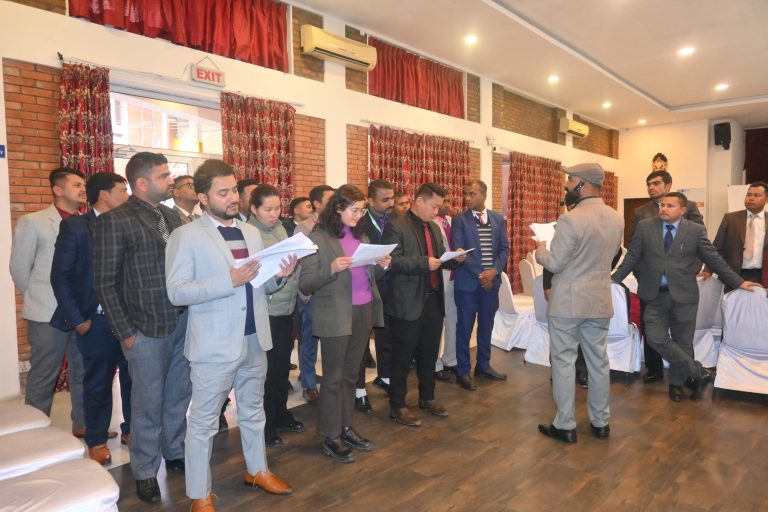
Core Components of Effective Sales Training
• Consultative Selling Methodology
Consultative selling shifts the focus from pushing products to solving problems. Sales professionals trained in this methodology learn to ask probing questions, listen actively to customer responses, and position their offerings as solutions to specific challenges. This approach builds trust and leads to longer customer relationships.
The methodology includes techniques for discovery conversations, needs analysis frameworks, and presentation structures that connect product features to customer outcomes. When implemented correctly, consultative selling transforms the sales interaction from a transaction into a partnership discussion.
• Communication and Active Listening
Effective sales communication goes beyond articulate presentation. It includes the ability to read non-verbal cues, adjust communication style to match customer preferences, and create space for customers to express their concerns fully. Active listening the practice of fully concentrating on what is being said forms the foundation of meaningful customer conversations.
Training in this area covers questioning techniques, paraphrasing skills, empathy development, and the art of strategic silence. Sales professionals learn to balance speaking with listening, ensuring they gather the information needed to propose relevant solutions.
• Negotiation and Objection Handling
Customer objections are a natural part of the sales process. Professional training teaches salespeople to view objections as opportunities rather than obstacles. Techniques include acknowledging concerns, exploring underlying issues, and reframing perspectives to address root causes of hesitation.
Negotiation training covers principled approaches that seek mutual benefit rather than win-lose outcomes. This includes understanding negotiation dynamics, preparing for common scenarios, and maintaining professional composure when discussions become challenging.
• Closing Techniques and Follow-up Systems
Closing is the culmination of the sales process, yet many salespeople struggle with this critical stage. Effective closing training focuses on recognizing buying signals, asking for commitments appropriately, and creating urgency without pressure tactics that damage relationships.
Equally important is understanding what happens after the initial sale. Follow-up systems, referral strategies, and account development techniques help transform one-time buyers into long-term customers and advocates for the organization.
Organizational Benefits of Structured Sales Development
Consistent Performance Standards
Training establishes common methodologies and language across the sales team, reducing variability in customer experience and making performance management more objective.
Improved Customer Relationships
Sales professionals who understand customer psychology and consultative techniques build stronger relationships, leading to increased retention and referral business.
Reduced Ramp-up Time for New Hires
Structured onboarding programs help new salespeople become productive faster, reducing the cost of recruitment and minimizing lost opportunity during transition periods.
Enhanced Team Confidence
When salespeople have proven frameworks and practiced techniques, they approach customer interactions with greater confidence, which positively influences outcomes.
Practical Approaches to Sales Skill Development
Effective sales training in Nepal combines multiple learning modalities to ensure skill transfer. Workshop sessions introduce concepts and frameworks, while role-playing exercises provide safe environments for practice. Field application with coaching reinforcement helps embed new behaviors into daily practice.
Video analysis, call reviews, and peer feedback sessions create opportunities for reflection and continuous improvement. The most effective programs include ongoing reinforcement rather than one-time events, recognizing that behavior change requires consistent attention over time.
Customization to industry context is also essential. Pharmaceutical sales training differs significantly from insurance sales development, even though core principles remain consistent. Understanding the specific challenges, regulations, and customer expectations of each industry enables more relevant and immediately applicable training content.
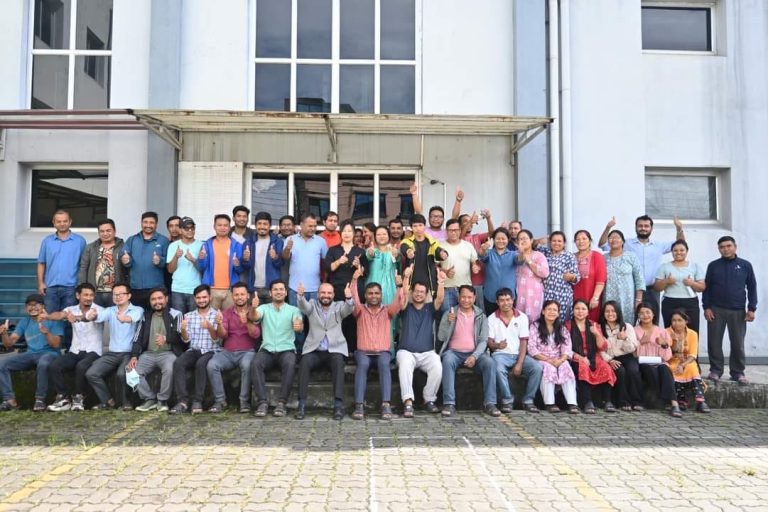
Sales Training in the Nepali Business Context
Nepal’s business environment presents unique opportunities and challenges for sales organizations. The emphasis on relationship-based business culture aligns well with consultative selling approaches, while the diverse geographic and demographic landscape requires adaptable communication strategies.
Industries like insurance and financial services face particular challenges around customer trust and product complexity. Sales training in these sectors (insurance sales training, corporate sales training) must address regulatory requirements, ethical selling practices, and techniques for explaining complex products in accessible language.
As Nepal’s economy continues to grow and diversify, organizations that invest in professional sales development position themselves for competitive advantage. Skilled sales teams become strategic assets, capable of navigating market changes and building the customer relationships that drive sustainable business growth.
Diwakar Rijal, Experienced sales trainer in Nepal provides an effective sales training sessions in Nepal to the various industries like insurance, corporate, pharmaceutical, healthcare, sales and hospitality . He believes in Motivaction (Motivation + Action) rather than Motivation.
Frequently Asked Questions
1. Is sales training only for new hires or experienced staff?
Management training focuses on systems, processes, and “how” to execute tasks efficiently. Leadership training focuses on “who” the person is—developing the vision, influence, and emotional intelligence (EQ) needed to inspire a team. In the Nepali corporate context, management keeps the business running, but leadership drives the transformation and growth.
2. Why is Emotional Intelligence (EQ) now a priority for leaders in Nepal?
In today’s hybrid and high-pressure work environments, technical skill isn’t enough. Nepali organizations are searching for leaders with high EQ because they are better at conflict resolution, stress management, and building trust. A leader with high EQ can navigate the unique socio-cultural dynamics of a Nepali workforce to maintain high morale and retention.
3. Can leadership skills be learned, or are they innate?
Leadership is a developed skill, not just a personality trait. While some people are naturally charismatic, effective leadership requires mastering specific competencies like strategic thinking, active listening, and decision-making. Professional training provides the frameworks and “role-play” scenarios that turn these concepts into habits.
4. How does AI impact the role of a leader in 2026?
AI is not replacing leaders; it is changing their focus. In 2026, leaders in Nepal use AI to handle data analysis and routine reporting. This allows the human leader to focus on what AI cannot do: providing ethical context, empathy, and creative problem-solving. Modern leadership training now includes “AI Fluency” to help leaders guide their teams through digital transitions.
5. What are the key benefits of a customized leadership workshop for my company?
Off-the-shelf courses often fail because they don’t address specific local challenges like “hierarchy dynamics” or “market volatility in Nepal.” A customized workshop aligns the training with your specific company values, identifies your team’s unique skill gaps, and uses real-world examples from your industry to ensure the lessons are immediately applicable.